Common problems when moving in Kensington conservation areas
Posted on 13/06/2026
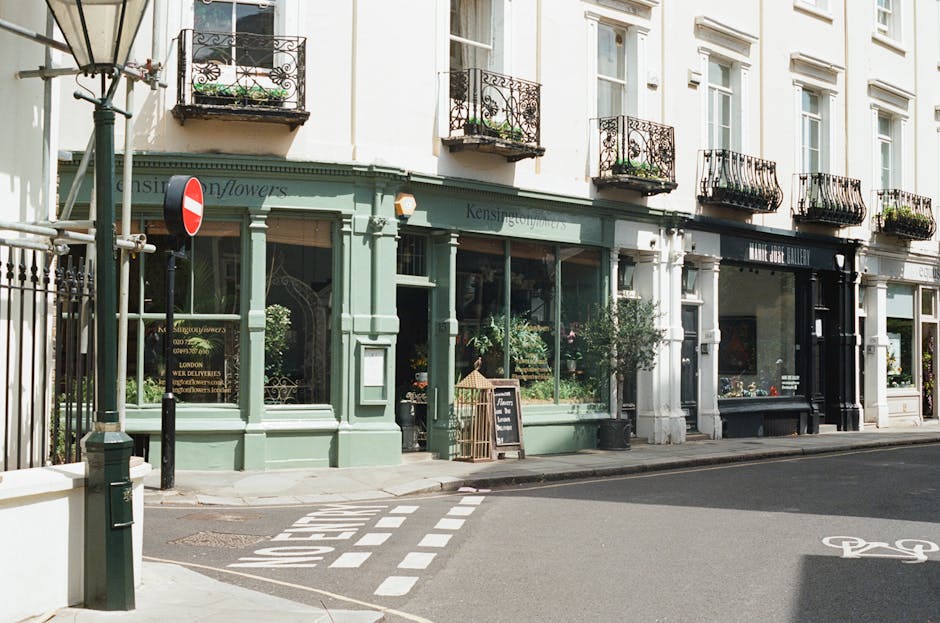
Moving home in Kensington can be stressful enough on its own. Add conservation-area rules, narrow streets, period properties, awkward access, and the usual London traffic, and the whole thing can feel a bit like solving a puzzle while someone keeps moving the pieces. That is especially true in Kensington conservation areas, where the charm of the architecture comes with extra constraints on how you plan, park, load, and protect the property.
This guide breaks down the common problems when moving in Kensington conservation areas, why they matter, and how to handle them without unnecessary drama. If you are preparing a flat move, a house move, or even a same-day move in a listed or protected street, the practical details below should help you avoid the usual mistakes and keep the day moving smoothly.
Why Common problems when moving in Kensington conservation areas Matters
Kensington conservation areas are not just about pretty facades and elegant streets. They are designed to protect character, which means moving in or out of one often involves more planning than a standard residential relocation. In practical terms, the restrictions can affect where the van can stop, whether you can temporarily block part of the road, how you protect original features, and how much time the team needs on site.
That matters because even a small delay can ripple through the whole day. A lorry that cannot park where expected can add a lot of walking distance. A stairwell with narrow turns can slow the move by an hour or more. A front door that has to be kept pristine means more padding, more care, and more hands on deck. Truth be told, this is where people get caught out: they assume a good removal team can simply "turn up and get on with it". In a conservation area, the move needs to be thought through before the first box leaves the hallway.
It also matters because Kensington is dense, busy, and often expensive to get wrong. If something is damaged, access is blocked, or neighbours complain, the cost is not only financial. It can become an awkward conversation with a managing agent, a freeholder, or a local authority officer. Nobody wants that on moving day.
How Common problems when moving in Kensington conservation areas Works
The phrase "how it works" sounds simple, but in real life it means understanding the layers of the move. There is the property itself, the street outside, and the wider area rules. In Kensington, those layers tend to overlap.
First, many homes sit in period buildings with tight staircases, shared entrances, delicate flooring, and front elevations that need protection. Second, conservation-area expectations often mean that any visible change, temporary obstruction, or careless handling of the building fabric is more sensitive than it would be elsewhere. Third, the surrounding roads can be narrow, busy, or heavily parked, so the logistics need to fit around the street, not the other way around.
In many cases, a move works best when the process is split into three parts:
- Pre-move planning: checking access, parking, timings, building rules, and what furniture needs dismantling.
- Move-day protection: using door covers, floor runners, corner protection, and careful loading to avoid marks and scuffs.
- Post-move tidy-up: removing waste, checking for damage, and making sure the property is left in decent condition.
A simple example: if you are moving out of a Victorian flat with a communal staircase, the team may need to stagger loading, use extra padding for bannisters, and keep lifts or shared entrances clear for neighbours. If you are moving into a townhouse on a protected street, you may also want to preserve the visual appearance of the frontage while the move is underway. Small details, but they add up quickly.
Key Benefits and Practical Advantages
It may sound odd to talk about "benefits" in a section about problems, but there are definite upsides to understanding the constraints early. The more you plan for the realities of conservation-area moving, the more controlled and less chaotic the day becomes.
One big advantage is predictability. If you know the access limits, you can book the right vehicle and the right team size. That makes quotes more accurate and reduces last-minute reshuffling. If you understand building rules in advance, you can avoid the classic "sorry, you can't use that entrance" moment when the van is already on the kerb. Not ideal. Not at all.
Another advantage is property protection. Period homes are full of character, but they can be unforgiving. A single scrape on a painted bannister or a knocked edge on original plasterwork can become a costly annoyance. Proper preparation protects both the home and your relationship with the landlord, agent, or new owners.
There is also a calmer pace to the move when the logistics are done properly. You spend less time improvising, which means less stress for everyone involved. And yes, that includes the neighbours who may be trying to carry a bicycle past a half-open front door at 8:15 in the morning.
If you are comparing moving support and want a sense of what a professional service should include, it can help to review the wider service overview and understand how different types of removals are handled in practice.
Who This Is For and When It Makes Sense
This topic is relevant to almost anyone moving in Kensington's protected streets, but some people need the advice more than others.
- Flat movers: especially if you are on an upper floor, share a stairwell, or rely on a lift with access restrictions.
- House movers: where front steps, narrow halls, and original fixtures need extra care.
- Buyers and sellers: if you are coordinating completion dates and need the property move-ready quickly.
- Landlords and managing agents: who want to minimise damage and avoid complaints from other residents.
- Office relocations: where timing, parking, and building access can be even more sensitive.
It also makes sense if you are dealing with awkward items such as a piano, large wardrobes, or antique furniture. In Kensington conservation areas, these are exactly the items that tend to cause trouble because they take more space than people expect. A sofa that looks manageable in a showroom can feel very different when you are trying to pivot it around a cramped landing at the top of a Georgian staircase.
For those planning a home move, it is worth looking at house removals in Kensington and flat removals in Kensington to match the service type to the building layout. For heavier or more delicate pieces, furniture removals in Kensington and piano removals in Kensington may be more suitable than a basic van-and-manoeuvre approach.
Step-by-Step Guidance
Here is the practical version. This is the part most readers actually need.
- Check the building access first. Measure stair widths, doorway widths, ceiling height, and any tight turns. If the property has a lift, check whether it is available, what size it is, and whether it can take furniture.
- Look at the street outside. Is there space for a removal van? Will it need to stop at an angle? Is there resident parking, loading restrictions, or a narrow entrance that will slow things down?
- Confirm any building rules. Some buildings need advance notice for move-ins and move-outs. Others require lift protection or booking a specific time slot. A few are strict about noise and refuse working outside certain hours.
- Book the right vehicle and crew. A compact van may be enough for a small flat, but larger homes often need a bigger vehicle or a two-person or multi-person team. If you underbook, the day becomes longer than it should be.
- Prepare the items properly. Disassemble furniture where possible, label boxes clearly, and wrap fragile edges. Kensington properties do not reward laziness here.
- Protect the property. Ask for floor protection, mattress covers, blankets, and door guards. This is especially important where the original finishes are easily marked.
- Plan the timing carefully. Aim for a window that avoids the worst traffic and gives you time to resolve small delays. Morning starts can work well, though every street is different.
- Keep the essentials separate. Kettle, documents, chargers, toiletries, and a change of clothes should not be buried in the deepest box. Nobody wants to spend the first evening searching for a toothbrush.
For urgent relocations, a service such as same-day removals in Kensington can be useful, but it still needs access checks. Urgent does not mean unplanned. It just means the planning window is shorter.
Expert Tips for Better Results
A few small decisions make a surprising difference in conservation-area moves.
Use a smaller vehicle where possible. Kensington streets can be awkward, and smaller vans are often easier to position legally and safely. That does not always reduce the total work, but it often reduces the stress.
Assume the route inside the property is the bottleneck. People usually worry about the road outside. Fair enough. But in many older buildings, the real slowdown is the hallway, the stair turn, or the front door that opens inward and blocks half the landing.
Take photos before and after. This is simple, but it helps if there is later discussion about marks, cracks, or pre-existing damage. Keep the pictures clear and timestamped if you can.
Think about neighbours. A polite heads-up can go a long way in a shared building. Moves are noisy. Doors bang. Boxes get set down. A little courtesy tends to soften the edges.
Do not overload boxes. Conservation-area moves often involve stairs that are less forgiving than modern buildings. Overpacked boxes are harder to carry and more likely to split at the worst moment. That moment is always on the stairs. Of course it is.
If you are still narrowing down the right crew, a useful starting point is to compare removal companies in Kensington, check pricing and quotes, and review insurance and safety so you know what level of cover and protection is being offered.

Common Mistakes to Avoid
Most problems in conservation areas are predictable. The issue is not that they are mysterious; it is that people assume they will not happen to them.
- Booking without checking access. If a van cannot stop close enough, the whole move slows down.
- Ignoring stair and door measurements. A wardrobe that is fine on paper may not make the turn in reality.
- Leaving packing too late. Rushed packing usually means broken items, missing labels, and heavier boxes.
- Forgetting about shared areas. Stairs, lifts, and entry halls often need protection and tidy routing.
- Assuming the property is "normal". Conservation-area homes often look similar from the outside but behave very differently inside.
- Choosing the wrong service type. A man and van option can be perfect for some jobs, but it is not always the best fit for fragile, bulky, or high-value contents.
If you want a simple rule, here it is: the older and more characterful the property, the more likely it is to reward careful planning. Not glamorous, but true.
Tools, Resources and Recommendations
You do not need a complicated toolkit to manage a move in Kensington conservation areas, but you do need a sensible one.
- Measuring tape: essential for doors, stairs, furniture, and lift dimensions.
- Labels and marker pens: make unpacking far easier than vague box memories.
- Protective wrapping: for mirrors, frames, corners, and polished surfaces.
- Floor and door protection: particularly useful in period homes with delicate finishes.
- Box count sheet: a quick list can save a lot of later anxiety.
- Building contact details: keep the managing agent or concierge number handy.
For heavier homes or moves with several stages, storage can also be useful if completion dates, keys, or access windows do not line up neatly. In those situations, the availability of storage options may help, though you should only use a specific page if it matches your exact location and needs on the website.
If you are packing from scratch, the dedicated packing and boxes guide for Kensington is a sensible companion read. It can help you decide how much packing material you really need, which is often more than people think. Always more than people think, actually.
For a broader local context, some readers also find it helpful to review a local guide to Kensington and the guide to flats near South Kensington Station when planning around busy transport links and tight access.
Law, Compliance, Standards, or Best Practice
Conservation-area moves are not just about convenience. They also touch on property care, public access, and good neighbourly conduct. Without getting bogged down in legal language, the practical best practice is straightforward: avoid unnecessary obstruction, protect the building fabric, and follow any instructions from the property manager or local authority where applicable.
In the UK, moving companies are also expected to work safely and responsibly. That usually means proper lifting technique, suitable equipment, vehicle safety checks, and clear handling of customer property. Good firms should be transparent about these standards and able to explain how they manage risks on narrow streets or in older buildings.
For the customer, the safest approach is to ask a few clear questions before the move:
- Will the team protect floors, doors, and bannisters?
- Do they have experience with period properties and tight access?
- What happens if parking is harder than expected?
- Is the service insured for accidental damage?
- Are there any restrictions in the property that need to be planned in advance?
You should also check the moving company's policy pages if you want reassurance on admin and service standards. The health and safety policy, terms and conditions, complaints procedure, and about us pages can all help you judge whether the business is organised, transparent, and easy to deal with.
If sustainability matters to you, the move is also a good time to separate what you want to keep, donate, recycle, or store. A responsible approach to recycling and sustainability can reduce waste and keep the move tidier overall.
Options, Methods, or Comparison Table
Different move types suit different Kensington properties. Here is a simple comparison to help you choose the right approach.
| Move option | Best for | Main advantage | Main drawback |
|---|---|---|---|
| Full house removals | Larger homes, family moves, multiple rooms | Most comprehensive and efficient for bigger jobs | Needs more planning and usually more crew |
| Flat removals | Flats with stairs, lifts, or shared entrances | Tailored to compact access and tighter timings | Can still be slow if access is difficult |
| Man and van | Smaller moves, light loads, quick local relocations | Flexible and often cost-effective | Not ideal for bulky or fragile jobs without support |
| Same-day move | Urgent or unexpected relocations | Fast turnaround | Limited planning time can raise risk |
| Specialist furniture or piano move | Large, heavy, antique, or high-value items | Better protection and handling | Usually more specialised and time-sensitive |
For many Kensington conservation-area properties, the best choice is not the cheapest or the largest. It is the one that fits the building properly. That sounds obvious, but people skip it all the time.
If your move is more complex than average, pages like man with a van Kensington, man and van Kensington, or removal van Kensington can help you compare the style of service you need. For office relocations, office removals Kensington is the more relevant route.
Case Study or Real-World Example
Here is a realistic example from the kind of move people often face in Kensington.
A couple moving out of a top-floor Victorian flat near a conservation street assumed a small van would be enough. On paper, the volume looked manageable. In practice, the staircase had a tight turn at the second landing, the front door opened into a narrow lobby, and the street outside had limited stopping space. The first estimate was optimistic, to put it politely.
Once they measured the largest furniture pieces, the move plan changed. The wardrobe was dismantled. The sofa was wrapped properly and carried in sections. The team used protective coverings on the communal stairs and booked a longer loading window. Because the street access had been checked in advance, the van could stop where it needed to without causing a row with neighbours.
The result? Less panic, fewer delays, and no last-minute scramble to find a second vehicle. The couple said the biggest difference was not the size of the team, but the fact that someone had thought about the building before the day began. That really is the point.
For situations where timing is tight, the same logic applies to urgent moves. The article on same-day Kensington removals is useful if you need to move fast but still want to avoid obvious access mistakes.
Practical Checklist
Use this before moving day. Print it, scribble on it, leave it on the counter. Whatever works.
- Measured doorways, stair turns, and lift dimensions
- Checked parking, loading space, and road restrictions
- Confirmed building access times and any move-in/move-out rules
- Booked the right vehicle size and number of movers
- Wrapped fragile and valuable items properly
- Protected floors, bannisters, doors, and corners
- Separated essentials for the first night
- Labelled every box clearly by room
- Photographed existing marks or wear before the move
- Kept contact details for the building manager and removal team handy
Expert summary: In Kensington conservation areas, the biggest moving-day problems usually come from access, parking, and property protection, not from the boxes themselves. Plan those three things well and the rest is far more manageable.
For readers comparing costs and next steps, you may also find competitive prices and pricing and quotes useful when deciding how to structure the move. If you need help choosing a suitable provider, the broader removal companies Kensington page can help you compare options in one place.
Get a free quote today and see how much you can save.
Conclusion
The common problems when moving in Kensington conservation areas are rarely dramatic on their own. It is usually the accumulation that gets people: tight access, careful parking, fragile features, shared spaces, timing issues, and the stress of trying to keep everything pristine while the clock is ticking. Once you recognise those pressures early, the move becomes much easier to manage.
So, measure first, book sensibly, protect the property, and do not leave planning to the last minute. If you do those things, you are already ahead of most people. And in a place like Kensington, that makes a very real difference.
Move carefully, ask the right questions, and give yourself a bit of breathing room. That small bit of calm goes a long way.

![Professional Movers Services at Unbeatable Prices in [LOGO_TITLE]](../../pub/actonmovers-banner.png)