Delays and access issues for Kensington basement flat removals
Posted on 23/06/2026
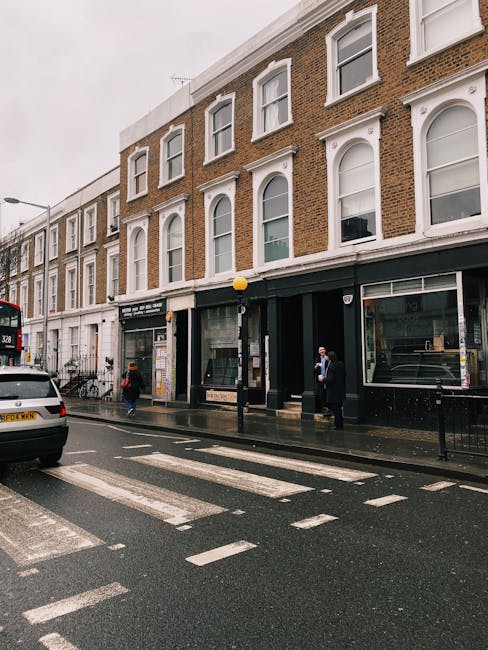
Delays and access issues for Kensington basement flat removals: a practical guide for smoother moving day
Basement flat moves in Kensington can look straightforward on paper, then suddenly turn into a puzzle. One narrow staircase, a shared hallway, a low ceiling, a parked car in the wrong place, and the whole day can slip behind schedule. If you are dealing with Delays and access issues for Kensington basement flat removals, you are not alone. These are some of the most common moving-day headaches in older London properties, especially where space is tight and access is shared.
This guide explains what usually causes the delay, how removals teams work around it, and what you can do before moving day to keep things moving. It is written for people who want clear, practical advice rather than vague reassurances. Because let's face it, on the day itself you do not need theory. You need a plan.
Why Delays and access issues for Kensington basement flat removals Matters
Basement properties are rarely the easiest homes to move. In Kensington, that challenge is amplified by older building layouts, tight streets, limited waiting space, and the simple fact that many flats were not designed around modern furniture or modern removals vehicles. A sofa that would glide through a house move can become a three-person problem when it has to turn at the bottom of a narrow stairwell.
Delays matter for a few reasons. First, they can increase the time the crew spends on site, which can affect the total cost. Second, delays create pressure, and pressure leads to mistakes. Third, access problems can put the property, the building's shared areas, and the items being moved at greater risk of damage. That is especially true in basement flats where walls are close, corners are sharp, and stair treads can be uneven.
There is also the neighbour factor. Kensington residents tend to notice disruption quickly, and basement moves often involve doorways, pavements, and shared entrances that other people use too. A move that blocks the hallway for half an hour can become a bigger issue than the move itself. Not ideal.
If your move is part of a wider flat relocation, it can help to understand the service type in advance. Our flat removals Kensington page gives a useful overview of the kind of planning that makes apartment moves run more cleanly. For bigger or mixed household jobs, the broader removals Kensington service information is also worth reviewing.
How Delays and access issues for Kensington basement flat removals Works
In practical terms, a basement flat removal is a sequence of small access decisions. The removals team arrives, checks the route, protects surfaces, and then works item by item through the tightest points first. The crew may need to move furniture in a different order from the one you expected. That is normal. A bed frame may need to come out before the wardrobe, or the fridge may need to be tilted and rotated before anything else is attempted.
What slows things down most often is not the lifting itself. It is the choreography. Can the van stop close enough to the entrance? Is the basement door wide enough? Is there a steep internal stair? Can two people pass on the landing? Is there room to turn a large item at the bottom step without scraping the plaster? These are the questions that decide whether the move flows or stalls.
Access work often starts before anyone touches a box. In many cases, a move from a basement flat in Kensington benefits from a quicker vehicle setup, lighter loads, or a split-load approach. A smaller vehicle can be better for tight streets, while a bigger van may be more efficient if the loading space is open and legal stopping is easy. Sometimes a man with a van Kensington arrangement suits a small, awkward move better than a larger crew. Other times, a more structured service from house removals Kensington is simply the safer option.
There is a simple truth here: the more information the removals team has, the fewer surprises you get. And surprises, in a basement, are rarely the fun kind.
Key Benefits and Practical Advantages
Thinking ahead about access is not just about avoiding problems. It gives you a better move overall. That may sound obvious, but in real life people often focus on boxes and forget the route those boxes have to travel. The route matters just as much as the packing.
- Less downtime on moving day: if the crew knows the entrance width, stair layout, and parking constraints, they can arrive with the right equipment and plan.
- Lower risk of damage: awkward turns and cramped stairs are where walls, banisters, and furniture usually get scratched.
- More accurate pricing: access details help prevent last-minute surprises that can change the time required.
- Better timing around neighbours and building rules: a planned move is less disruptive and easier to coordinate.
- Improved safety: fewer rushed lifts, fewer blocked exits, fewer near-misses on stairs.
There is a commercial upside too. When access is assessed properly, you are less likely to need emergency add-ons or second visits. If your move is time-sensitive, that matters a lot. For urgent situations, it can also be helpful to look at same day removals Kensington, though even urgent moves benefit from a quick access check rather than guesswork.
Expert summary: in basement flat removals, the fastest move is usually the one that was planned as if it might be difficult. That mindset saves time, reduces stress, and prevents a lot of expensive backtracking.
Who This Is For and When It Makes Sense
This topic is most relevant if you live in, or are moving into, a Kensington basement flat with any of the following features: narrow internal stairs, a shared front entrance, a low ceiling in parts of the route, no lift, limited street parking, or a street where stopping is awkward. In other words, quite a few places, especially in older terraces and converted buildings.
It also matters if you are moving:
- large furniture such as wardrobes, beds, sofas, or dining tables
- heavy items that are easy to carry in open space but hard on stairs
- delicate belongings that need careful handling through tight access points
- on a weekday when traffic and loading restrictions may be less forgiving
- in a conservation area where external alterations or access arrangements can be more sensitive
If you are buying or renting locally, access should be part of your decision-making too. People often fall in love with the space and forget to ask how the move itself will happen. If you are in that stage, the local reading on buying real estate in Kensington can be a useful companion piece, and is Kensington good to live gives broader context on day-to-day living in the area.
Truth be told, basement flats are often brilliant homes. Cooler in summer, characterful, and frequently a bit more affordable than upper floors. You just need to respect the logistics.
Step-by-Step Guidance
Here is a practical way to manage the move without letting access problems take over the day.
- Measure the route, not just the furniture. Check door widths, staircase turns, ceiling height, and the narrowest point on the way out. A tape measure and a phone camera are enough to start.
- Map the loading point. Know where the van can stop, how far the carry is, and whether there is a safe waiting place. Even ten extra metres can change the pace of a move.
- List the awkward items first. Sofas, headboards, mirrors, wardrobes, pianos, and tall plants often decide the loading order.
- Tell the removals company about the stairs and entrance honestly. If the access is poor, say so. It is better to be slightly dramatic in advance than to be optimistic and stuck later.
- Protect the path. Use floor coverings, corner protectors, and door guards where needed. Good crews usually bring these, but check before the day.
- Set a realistic start time. Basement moves sometimes work better early, before traffic and other building activity ramp up.
- Prepare a fallback plan. If a large item will not fit, know whether it can be disassembled, moved via a different route, or stored temporarily.
If you want packing support as part of this planning, the packing and boxes Kensington service page is a sensible place to start. Good packing is not glamorous, but it can save a lot of time when the stairs are the enemy.
One small practical habit helps a lot: keep a separate "first out" pile near the entrance. It should contain the essentials you need immediately, plus anything fragile that should not be buried under ten regular boxes. This reduces the daisy chain of delays that happens when everyone is searching for one charger, one kettle, one set of keys.
Expert Tips for Better Results
After enough basement moves, you start to see patterns. A few details consistently make the day easier.
- Use fewer, stronger boxes. Overfilled boxes are awkward on stairs and slow every carry.
- Break down furniture early. A wardrobe removed in panels is often easier than a complete piece that turns into an obstacle at the staircase bend.
- Reserve the van space intelligently. Put the items that are hardest to manoeuvre closest to where they will be loaded or unloaded first.
- Keep pathways clear from the night before. Shoes, laundry baskets, recycling bags, and umbrella stands have a magical ability to appear underfoot.
- Warn neighbours if access is shared. A quick note or polite conversation can prevent unnecessary friction.
- Expect a short pause at the start. The crew may take a few minutes to assess the route properly. That is time well spent, not time wasted.
For especially bulky items, it helps to look at specialist support such as furniture removals Kensington or, where a single heavy item is the issue, piano removals Kensington. These services exist because awkward items are, well, awkward. No one needs to pretend otherwise.
Also, if your building has strict access rules or there is only a small window for loading, ask the team whether a removal van Kensington setup is more suitable than a larger vehicle. Sometimes the right van size is what prevents a delay before it starts.

Common Mistakes to Avoid
Most moving-day delays in basement flats come from a handful of avoidable mistakes. They are small on their own. Together, they can turn a tidy plan into a messy one.
- Underestimating the staircase. A staircase that looks manageable from the top can be a nightmare once the item is half turned and wedged.
- Forgetting parking and stopping constraints. "The van can probably pull up nearby" is not a plan. It is a hope, and hopes are flimsy on moving day.
- Not mentioning shared access or concierge rules. If someone needs to buzz you in, or if there are time restrictions, that information should be shared early.
- Packing everything into random-sized boxes. Oddly shaped boxes are awkward on stairs and slow loading.
- Leaving clearance to the last minute. If you only check whether a sofa fits after the van arrives, you have already lost valuable time.
- Assuming the first route is the only route. In some basement moves, a side entrance, rear access point, or alternative corridor can work better.
Another common mistake is not comparing the right type of removal support. If your move is small and access is tight, a lower-crew, flexible service may suit you better than a bigger operation. If it is a larger domestic move, you may need a more complete team. The broader options on removal companies Kensington can help you think about that choice in a more structured way.
And yes, it is worth repeating: measure twice, move once. A slightly old-fashioned phrase, but it earns its keep.
Tools, Resources and Recommendations
You do not need a truckload of specialist equipment to handle access issues well. A few practical tools can make a real difference.
- Tape measure: for doors, stair widths, and the largest item dimensions.
- Phone camera: to photograph awkward corners, entry points, and any external restrictions.
- Labels and colour coding: helps the crew keep priority items separate.
- Corner guards and floor protection: especially helpful in narrow corridors and older properties.
- Box cutters and screwdrivers: useful for disassembly when a piece will not pass cleanly.
- Storage backup: if access issues make same-day completion unrealistic, temporary storage can reduce pressure.
If you think some items may need to be held for a short while, storage options can be a useful bridge between properties. Because sometimes the smartest move is not to force everything through one difficult day.
For service planning and budget clarity, it is sensible to check pricing and quotes and, if you want to understand how cost is shaped, competitive prices. Transparent pricing matters more than ever when access is difficult, since small delays can change the time on site.
If you are comparing delivery styles, the company's services overview can help you match the job to the right level of support. That might sound basic, but a good match saves time and stress. A lot of it.
Law, Compliance, Standards, or Best Practice
Access planning in London removals is not just a matter of comfort. It also sits alongside safety, property care, and responsible working practices. While every move is different, reputable removals teams normally work with a few consistent standards: they avoid blocking fire exits, protect communal areas, use safe lifting methods, and communicate clearly when access is restricted.
In a basement flat, those best practices matter even more because the route is often tighter and the margin for error smaller. Shared hallways, common staircases, and building entrances should be treated with care. If there is any doubt about access, a cautious approach is better than a rushed one. That usually means measuring first, lifting second.
Good removals practice also includes clear terms, insurance awareness, and open communication about responsibility. If you are checking a provider, it is reasonable to read their insurance and safety information, look at the terms and conditions, and understand the complaints procedure in case anything does not go to plan.
If you have accessibility concerns, it is also worth reviewing the company's accessibility statement. And if your move involves sensitive handling, responsible policies around the health and safety policy and recycling and sustainability show a broader commitment to doing the job properly, not just quickly.
In short, the best practice is simple: protect people, protect property, and do not pretend an awkward entrance is easy when it plainly is not.
Options, Methods, or Comparison Table
Different basement moves need different approaches. Here is a practical comparison to help you decide what fits best.
| Approach | Best for | Advantages | Limitations |
|---|---|---|---|
| Small van / flexible crew | Small flats, limited parking, fewer large items | Easier to park, quicker in tight streets, often more nimble | Less capacity, may need multiple trips |
| Full removals team | Larger homes, more furniture, multiple rooms | More hands, better for stairs and heavy items | Can be less flexible where space is very tight |
| Man and van arrangement | Single-room moves, student flats, light household loads | Cost-effective, adaptable, useful for short-notice work | May not suit bulky or fragile items |
| Temporary storage plus staged move | Where access or timing creates pressure | Reduces stress, gives room for scheduling flexibility | Requires an extra step and possible extra cost |
If you are moving something especially time-sensitive, a service like man and van Kensington or man and a van Kensington may be enough. For heavier, more complicated jobs, a broader moving package is usually safer. You can also compare the more general removal services route where a full-scale solution makes more sense.
Case Study or Real-World Example
A recent basement flat move in Kensington, for example, involved a two-bedroom property with a very narrow entrance hall and a sharp turn at the bottom of the stairs. Nothing dramatic. Just enough difficulty to cause delays if the day started without a plan.
The crew did one sensible thing first: they walked the route before touching the furniture. They found that the sofa would not make the corner in one piece, but it could be handled safely once the feet were removed and the cushions were taken off separately. The wardrobe was more awkward. It had to be split down before the move, which added some time at the start but prevented repeated stops later.
The bigger issue was outside. A van parked too far from the entrance would have forced a long carry on a busy street. So the team adjusted the timing, used a smaller vehicle, and loaded the heaviest items first. That cut the risk of congestion and kept the move moving. Not quickly, perhaps, but steadily. And steady is often what wins in basement removals.
By the end of the day, the move had taken longer than a basic ground-floor job, but it was completed without damage and without having to revisit the property. That is the real goal. Nobody remembers the move for its glamour. They remember whether it worked.
Practical Checklist
Use this checklist in the days before your move. If you can tick most of these off, you are already ahead.
- Measure the basement entrance, stair widths, and narrowest corners
- Check whether large furniture needs dismantling
- Confirm where the van can stop legally and safely
- Tell the removals team about shared access or building rules
- Protect floors, corners, and door frames
- Label fragile and priority boxes clearly
- Set aside items you need immediately after arrival
- Plan for storage if the timing is uncertain
- Review insurance, terms, and safety information
- Keep keys, codes, and entry details ready on the day
For people moving a home full of furniture, it can also help to consider a more complete house removals Kensington arrangement rather than trying to make a compact service do a much larger job. The wrong fit is where delays breed.
Conclusion
Delays and access issues in Kensington basement flat removals are usually manageable, but only if you treat them as a core part of the move rather than a side issue. Measure the route, speak honestly about the access, choose the right size of service, and build in a bit of breathing room. That is the formula. Nothing magical, just good preparation.
Basement flats can be lovely homes, and plenty of them move perfectly well every week. The difference is usually in the planning. If you prepare the access properly, you give yourself a calmer day, a safer move, and far less chance of that slightly sinking feeling when a sofa gets stuck halfway down the stairs.
Get a free quote today and see how much you can save.
And if all you do tonight is measure the doorway and check where the van can stop, that is still a proper start. Small steps, honestly, make the biggest difference.

![Professional Movers Services at Unbeatable Prices in [LOGO_TITLE]](../../pub/actonmovers-banner.png)