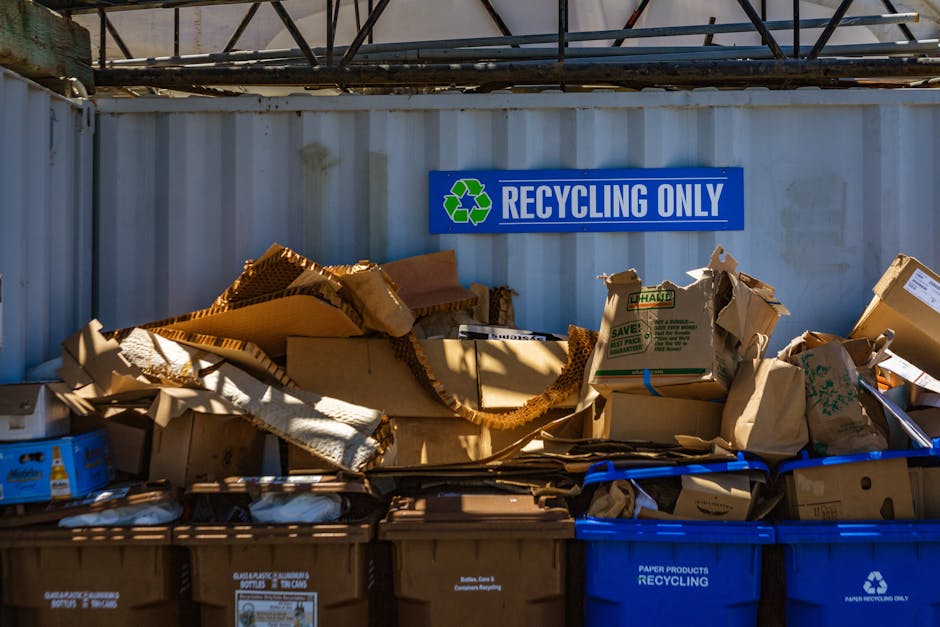
Disposal and recycling rules for Kensington removals
If you are planning a move in Kensington, disposal and recycling can become one of those jobs that looks small at first and then quietly takes over the whole week. Old wardrobes, broken lamps, packaging, kitchen bits, files, half-used paint tins - it all has to go somewhere sensible. The good news is that Disposal and recycling rules for Kensington removals are manageable once you know what should be reused, what can be recycled, and what must be handled separately. This guide walks you through the practical side of moving responsibly, without the jargon or the guesswork.
You will also see how the right removal approach can reduce waste, save time on moving day, and help you avoid the kind of mistakes that lead to extra fees or unnecessary landfill. A tidy move is not just about boxes. It is about decisions.
Table of Contents
- Why disposal and recycling rules matter
- How the process works
- Key benefits and practical advantages
- Who this is for
- Step-by-step guidance
- Expert tips for better results
- Common mistakes to avoid
- Tools, resources and recommendations
- Law, compliance, standards and best practice
- Options and comparison table
- Real-world example
- Practical checklist
- Conclusion
- Frequently asked questions
Why Disposal and recycling rules for Kensington removals Matters
Waste handling during a move is not a side issue. It affects cost, timing, safety, and whether your items end up reused, recycled, or simply dumped. In Kensington, where properties can be compact, access is often tight, and loading space may be limited, a poor disposal plan can make moving day feel chaotic very quickly.
There is also the simple reality that different materials need different treatment. Cardboard is one thing. Electrical items are another. Mattresses, fridges, paint, and confidential documents all require more care. If you mix everything together, you lose the chance to recycle properly and can create avoidable risks. To be fair, most people are not trying to get it wrong; they are just trying to get out of the old place before the keys change hands.
For households, students, landlords, and businesses alike, a good waste plan supports a smoother move. It also helps you make cleaner choices about what to keep, donate, dismantle, store, or dispose of. If you want a greener moving process, it helps to understand the company's approach too, which is why many people look at a provider's recycling and sustainability commitments before booking.
Expert summary: The best disposal strategy for a Kensington move is simple: separate early, reuse where possible, recycle correctly, and only send true waste for disposal. That one habit saves time, money, and hassle.
How Disposal and recycling rules for Kensington removals Works
The process usually starts before the van arrives. You sort your belongings into clear groups: keep, donate, recycle, and dispose. That sounds basic, but it makes the rest of the move much easier. Once those decisions are made, the removal team can work more efficiently and avoid mixing recyclable materials with general rubbish.
In practice, disposal rules depend on the material. Clean cardboard and paper often go into recycling. Many metals and some plastics can be recycled if they are clean and correctly sorted. Broken furniture may need dismantling before collection. Electrical goods are usually handled separately because they contain components that should not go into ordinary waste streams. And items like fridges, freezers, or anything with refrigerant need special attention.
For larger domestic clearances or office relocations, a structured approach matters even more. If you are moving a flat, a house, or a workplace, the waste that builds up over years can be substantial. A well-planned move often combines removal with services like furniture removals, office removals, or home moves, so useful items are transported safely and waste is handled separately.
You should also expect clear communication about what can be collected. Some items are acceptable only if they are clean, safe to lift, and legally transportable. Others may need advance notice or an alternative route such as storage, specialist disposal, or separate pick-up. That is where a service like furniture pick up can be handy for items that are still usable but no longer needed.
Typical flow on moving day
- Sort items in advance and label them clearly.
- Set aside reusable belongings for donation, resale, or storage.
- Separate recyclables from general waste.
- Identify restricted items such as batteries, liquids, and electrical equipment.
- Load transportable items safely and keep waste streams distinct.
- Dispose of remaining waste through the appropriate route.
That is the short version. The longer version? It saves you from the usual "where does this go?" moment when you are standing in a hallway with three boxes of random stuff and a kettle still plugged in. Happens all the time.
Key Benefits and Practical Advantages
Good disposal and recycling planning is not just about being tidy. It creates practical advantages throughout the move.
- Lower waste volume: fewer items to move means fewer boxes, fewer trips, and less time on site.
- Cleaner packing: separating waste early reduces clutter and makes packing simpler.
- Better recycling rates: materials are more likely to be processed correctly when kept separate.
- Reduced damage risk: sharp, heavy, or leaking items are less likely to harm other belongings.
- Faster move day: crews can work more efficiently when everything is sorted.
- Better cost control: disposing properly can avoid last-minute add-ons and emergency clearances.
There is also a quieter benefit: peace of mind. When you know the useless stuff has been dealt with, the whole move feels lighter. The rooms look less intimidating. The boxes make more sense. You stop carrying old clutter from one address to another, which, honestly, is one of the most common moving mistakes in London.
For some customers, a move is the right moment to trim down furniture or boxes of old paperwork. For others, especially in Kensington flats where storage space is at a premium, the chance to clear out before a move is the only realistic way to start fresh.
Who This Is For and When It Makes Sense
This topic matters to more people than you might expect. It is not just for households with a lot of rubbish. It is for anyone trying to move well, stay organised, and avoid waste going astray.
- Homeowners: useful when downsizing, decluttering, or replacing furniture before a move.
- Renters and flat movers: ideal when space is tight and unwanted items need to be removed quickly.
- Students: helpful for end-of-term moves, shared accommodation clear-outs, and quick room resets.
- Businesses: vital for office relocations, archive disposal, and old equipment handling.
- Landlords and letting agents: useful for end-of-tenancy clearances and left-behind items.
- Anyone with bulky waste: mattresses, broken chairs, old shelving, and awkward items all need a plan.
It makes particular sense if your move involves more than just boxed possessions. If you have excess furniture, oversized items, or a mixture of usable and unusable belongings, an organised approach will save time. Many people also choose a man and van style service for smaller loads, especially when the job includes a few unwanted items that need careful handling.
And if you are moving from a top-floor flat with narrow stairs, well, you already know that every extra item matters. One bulky wardrobe can feel like a small geography problem.
Step-by-Step Guidance
If you want a smooth process, follow this sequence. It works for most Kensington removals, whether you are moving a family home or clearing a compact flat.
1. Audit what you actually own
Walk through each room and make a simple decision about every item: keep, donate, recycle, dispose, or store. Be honest. That printer you have not touched in three years? It probably does not need to come with you unless there is a real reason.
2. Separate items by material
Group cardboard, paper, glass, metals, textiles, electrical items, furniture, and general waste. Clean materials are easier to recycle. Mixed bags are harder to process and often end up as residual waste.
3. Deal with restricted items early
Batteries, paint, aerosols, cleaning chemicals, fluorescent tubes, and certain electricals should be identified early. Do not leave them until the last box is sealed. That is where problems start.
4. Decide whether furniture should be reused, dismantled, or removed
Good-condition furniture should usually be reused if possible. If not, dismantle large items where safe to do so. This helps with access and reduces breakage during transport. A removal team handling flat removals will usually appreciate clearly separated pieces and labelled hardware.
5. Pack recyclable materials separately
Keep cardboard and paper clean and dry. Flatten boxes where you can. Remove loose tape and plastic inserts if practical. It takes a few minutes and makes recycling easier.
6. Use the right transport method
Match the vehicle to the job. A smaller load may suit a removal van, while larger clearances may need a moving truck. The wrong vehicle can mean extra trips and more handling than necessary.
7. Confirm final disposal arrangements
Before moving day, confirm who is responsible for what. Is the crew taking recyclable packaging away? Are bulky items being collected for disposal? Will anything go into storage instead? Clarity matters. Always.
Expert Tips for Better Results
In our experience, the best results come from small decisions made early. Nothing dramatic. Just steady organisation.
- Start with one room: do not try to sort the entire property in one go unless you enjoy chaos.
- Use visible labels: "keep", "recycle", "donate", and "waste" are enough.
- Keep clean recyclables clean: food residue and liquid contamination can ruin a batch.
- Photograph valuable items: useful if you are storing, donating, or selling anything.
- Ask about reuse first: many items can be rehomed if they are in decent condition.
- Prepare for access issues: in Kensington, tight entrances and narrow staircases are part of life. Plan for them, don't fight them on the day.
One practical trick is to create a "last minute" box for items that are not ready to be disposed of yet. That keeps them out of the way without accidentally sending them to the wrong pile. Slightly unglamorous, but very effective.
If you are moving business equipment or sensitive documents, check the provider's general standards as well. Pages like health and safety policy and insurance and safety help reassure you that the operator handles risk and responsibility properly.
Common Mistakes to Avoid
A lot of disposal problems are avoidable. Usually it comes down to rushing.
- Leaving sorting until move day: that is when decisions become sloppy.
- Mixing recyclables with food waste: this can make whole bags unrecyclable.
- Ignoring electricals: old chargers, cables, and small appliances often get thrown in by mistake.
- Sending usable furniture to waste: if something can be reused, it often should be.
- Forgetting documents and media: old files, memory sticks, and paperwork need secure disposal.
- Overfilling boxes with mixed items: a heavy, mixed box is harder to handle and harder to sort later.
Another common mistake is assuming every "green" bin solution is the same. It is not. What counts as recyclable depends on condition, local arrangements, and the material itself. Best not to guess. Guessing is how people end up with three bags of the wrong stuff and a mild headache.
Tools, Resources and Recommendations
You do not need fancy equipment to manage waste well. A few simple tools make the job easier.
- Marker pens and labels: for clearly identifying different disposal streams.
- Strong rubbish sacks: useful for general waste, but keep recycling separate.
- Flat-pack tool kit: screwdriver, Allen keys, and a small hammer can help dismantle furniture safely.
- Boxes with lids: helpful for papers, cables, and mixed small items that should not spill.
- Gloves: sensible if you are handling dusty loft items or old storage boxes.
- Donation bags: a good option for clothing, books, and usable household goods.
For moving support, the most relevant recommendations usually come down to matching the service to the job. If you need packing assistance, packing and boxes can help you get organised before the move. If you need help with a broader move, removal services give you a more complete solution. And if you are timing-sensitive, perhaps because a lease is ending or a landlord wants the keys back fast, same day removals can be worth considering.
For customers who need temporary space while they decide what stays and what goes, storage can be a sensible bridge. Not everything has to be solved in one afternoon.
Law, Compliance, Standards and Best Practice
Waste and recycling during removals should be handled carefully, especially in the UK where duty of care and responsible waste handling are part of normal best practice. The exact requirements can vary depending on the type of material, who is handling it, and where it is being taken. So the safest approach is to treat disposal as a controlled part of the move, not an afterthought.
For ordinary household waste, the main issue is correct separation and appropriate disposal. For business moves, the bar is higher because office equipment, documents, and larger volumes of waste may need more deliberate handling. Confidential papers, computer equipment, and redundant filing should not just be tossed into mixed waste. That is asking for trouble.
There are also practical safety considerations. Bulky items should be lifted correctly. Damaged furniture should be secured so it does not break apart in transit. Liquids should be sealed. Batteries should be isolated from metal items where possible. These are not flashy rules, just sensible ones.
If you are choosing a provider, check whether they explain their sustainability and operational policies clearly. Pages such as about us, terms and conditions, and payment and security can also help you judge whether the business is organised and transparent. That matters when you are trusting someone with your belongings and your waste streams.
Best practice, in plain English, means this: keep reusable items out of the bin, keep recyclables clean, keep hazardous materials separate, and keep the move documented enough that nothing gets lost or mishandled.
Options, Methods, or Comparison Table
Different disposal routes suit different situations. Here is a simple comparison to help you decide what makes sense.
| Option | Best for | Pros | Watch out for |
|---|---|---|---|
| Reuse / donation | Good-condition furniture, clothes, books, household items | Reduces waste, helps others, often free | Items should be clean and genuinely usable |
| Recycling | Cardboard, paper, metals, certain plastics, some electricals | Supports responsible waste handling | Contamination can reduce what is accepted |
| General waste disposal | Broken, dirty, or non-recyclable items | Clear and straightforward | Costs can increase if volumes are high |
| Storage | Items you are not ready to part with | Buys time, reduces rushed decisions | Not a disposal solution; it only delays the choice |
| Full removals service | House, flat, or office moves with mixed items | More efficient, easier to coordinate | Needs good planning for waste separation |
If you are moving from a flat with limited lift access, you may find it more practical to combine sorting with transport help from a man with a van or a more complete house removals service depending on the load. The best option is usually the one that reduces handling, keeps waste separate, and fits the building access. Not always the cheapest on paper, but often the least stressful in real life.
Case Study or Real-World Example
Picture a couple moving out of a two-bedroom Kensington flat after eight years. The place has accumulated the usual mix: spare chairs, old storage boxes, a printer that no longer works, two lamps with mismatched bulbs, and a wardrobe that will not survive the stairwell in one piece. Nothing dramatic. Just normal life, which somehow becomes a lot when you are trying to move it.
They start a week before moving day. One room becomes the sorting room. Good books go into a donation pile. Cardboard is flattened. Cables, chargers, and small electronics are boxed separately. The wardrobe is dismantled, with hardware taped into a labelled bag. Anything damaged beyond reuse is set aside for disposal. By the time the removal team arrives, the moving load is smaller, the route through the flat is clearer, and the couple is not making waste decisions under pressure.
The result? Less clutter, faster loading, fewer surprises. And, importantly, fewer items ending up in the wrong place. That is the quiet success most people want from a move. No drama. Just a decent, orderly day.
Practical Checklist
Use this checklist before move day. It keeps things simple.
- Sort items into keep, donate, recycle, dispose, and store.
- Separate cardboard, paper, and packaging from mixed waste.
- Identify electrical items, batteries, and other special waste early.
- Check furniture for reuse, dismantling, or collection.
- Label all boxes clearly, especially those containing recyclables.
- Pack documents and sensitive paperwork securely.
- Confirm access details for stairs, lifts, parking, and loading.
- Decide whether you need a van, truck, or storage space.
- Remove liquids from bags and seal containers properly.
- Ask for clarification if any item seems awkward or restricted.
A small extra step here and there really does pay off. You will feel it when the van door closes and the right things are in the right place.
Conclusion
Disposal and recycling rules for Kensington removals are easiest when you treat them as part of the move itself, not something separate. Sort early, reuse what you can, recycle carefully, and handle awkward items with a bit of thought. That approach protects your time, your budget, and the environment, while also making the moving day feel far less messy.
Whether you are shifting a studio flat, a family home, or an office space, the same principle applies: make the waste plan before the van turns up. A little order now saves a lot of stress later. And frankly, there is enough going on during a move without adding a mystery pile of unwanted stuff to the hallway.
Get a free quote today and see how much you can save.
Frequently Asked Questions
What items can usually be recycled during a Kensington move?
Clean cardboard, paper, some plastics, metals, and certain electrical items are often recyclable, provided they are sorted properly and not contaminated with food, paint, or mixed waste.
Can I leave unwanted furniture for the removals team?
Sometimes, yes, if it has been agreed in advance and the items are suitable for collection. Usable furniture may be collected for reuse, while damaged pieces may need a separate disposal plan.
What should I do with broken electrical items?
Keep them separate from ordinary rubbish and do not mix them with general recycling. Small electricals, cables, and larger appliances often need special handling because of their components.
Are paint tins and chemicals handled as normal waste?
No, they usually need separate consideration. Paint, solvents, aerosols, and cleaning chemicals should be identified early so they are not packed with standard household rubbish.
Do I need to empty boxes before recycling them?
Yes, where possible. Flattening boxes and removing food waste, loose plastic, and excess tape makes recycling easier and less likely to be rejected.
Is storage better than disposal if I am not sure what to do?
Storage can be a good temporary solution if you need time to decide. It is not disposal, of course, but it gives you breathing room and prevents rushed decisions.
What happens to items that are still in good condition?
Reusable items are usually best rehomed, donated, or retained for storage. Throwing away perfectly usable belongings is rarely the best option, especially during a move.
How far in advance should I sort waste before moving day?
A week or two ahead is ideal for most moves, but even a few focused sessions before the date can make a huge difference. The earlier you start, the calmer the move tends to feel.
Do office removals need a different disposal approach?
Yes. Office clear-outs often include paperwork, electronics, furniture, and packing materials, so separation and secure handling matter more than in a simple household move.
Can a small move still create recycling problems?
Absolutely. A small flat move can still involve mixed packaging, broken items, batteries, and old appliances. Small does not always mean simple.
What is the biggest mistake people make with disposal during removals?
Leaving everything until the last minute. Once the move is underway, people often start throwing mixed items into whatever bag is nearest. That is when recycling opportunities get lost.
How do I know whether a removals company is a good fit for responsible disposal?
Look for clear explanations of how they handle recycling, waste, safety, and pricing. Transparent policies and straightforward communication are usually good signs that the company takes the process seriously.