Kensington High Street removals parking and access tips W8
Moving near Kensington High Street can look straightforward on a map, and then suddenly it isn't. Bays fill up, roads narrow, permits matter, and one badly parked van can throw the whole morning off. If you're planning a move in W8, the difference between a calm day and a stressful one often comes down to parking, access, timing, and a little local know-how.
This guide on Kensington High Street removals parking and access tips W8 is designed to help you avoid the usual snags. You'll find practical guidance on loading access, street constraints, timing your arrival, and how to reduce wasted time at the kerb. We'll also cover the kinds of moving setups that work best in the area, from flats above shops to larger homes tucked just off the High Street. Truth be told, a bit of planning goes a long way here.
If you're also comparing service options, you may want to look at removals in Kensington, house removals in Kensington, or flat removals for tighter properties while you plan the logistics.
Table of Contents
- Why Kensington High Street removals parking and access tips W8 Matters
- How Kensington High Street removals parking and access tips W8 Works
- Key Benefits and Practical Advantages
- Who This Is For and When It Makes Sense
- Step-by-Step Guidance
- Expert Tips for Better Results
- Common Mistakes to Avoid
- Tools, Resources and Recommendations
- Law, Compliance, Standards, or Best Practice
- Options, Methods, or Comparison Table
- Case Study or Real-World Example
- Practical Checklist
- Conclusion
- Frequently Asked Questions
Why Kensington High Street removals parking and access tips W8 Matters
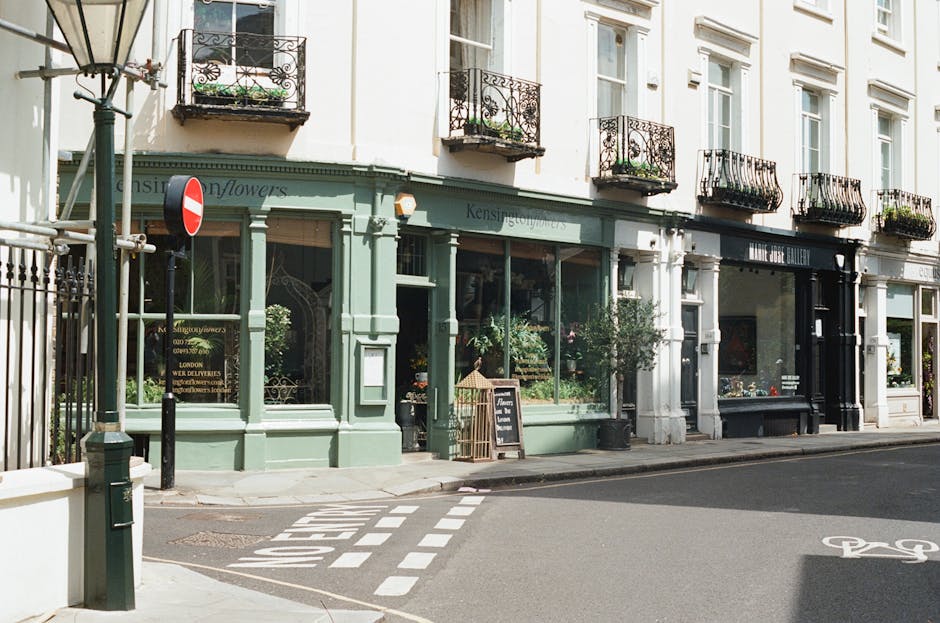
Kensington High Street sits in one of the most active parts of W8, which means moving there can involve more than just turning up with a van and hoping for the best. You may be dealing with narrow side streets, shared access, controlled parking, loading restrictions, or a building manager who wants notice before any furniture arrives. In short: the street scene matters.
The parking and access side of a removal is not a side issue. It affects timing, labour, safety, cost, and even whether the move can happen in one trip or several. A van parked too far away means longer carrying distances. A missed access note can mean the lift is unavailable. An awkward loading position can create a chain reaction of delays. Nobody needs that on moving day, especially if rain arrives around 8.30am, which in London it sometimes does just to keep everyone honest.
For many residents and businesses around the High Street, the real challenge is not the move itself. It's fitting the move into the realities of the neighbourhood. That is why local planning is so valuable. If you want a broader sense of the area and how day-to-day logistics work nearby, our local guide to navigating Kensington is a useful companion read.
Good parking and access planning also helps with neighbour relations. A move that blocks a driveway, prevents shop deliveries, or causes avoidable congestion tends to attract complaints quickly. Kensington is busy, expensive, and often tightly scheduled; being considerate is not just polite, it is practical.
Expert summary: In W8, the best removals plan is usually the one that reduces walking distance, avoids avoidable waiting time, and matches the property's real access conditions rather than the assumptions on the booking form.
How Kensington High Street removals parking and access tips W8 Works
The basic principle is simple: your removal vehicle needs legal, safe, and efficient access to the property. Around Kensington High Street, that usually means thinking through where the van can stop, how long it can stay there, whether loading is allowed, and how your belongings will travel between the building and the vehicle.
In practice, the process usually involves four layers.
1. Street access
This is about whether the vehicle can physically reach the property. High Street traffic, one-way systems, busier junctions, and delivery activity all shape how close a van can get. For some addresses, the nearest practical stopping point may be on a side road rather than directly outside the entrance.
2. Parking or loading permission
Some locations allow short loading stops, others require formal parking arrangements, and some are simply too restricted for an unplanned halt. The rules can vary by bay type, time of day, and local controls. If you are using a service like man with a van in Kensington, this becomes especially important because smaller vehicles are still subject to the same access realities.
3. Building access
Lifts, stairwells, concierge desks, coded doors, and loading entrances all affect the pace of the job. A flat move above retail premises can be quick on paper and awkward in real life if the lift is too small or the service entrance has limited hours. That is why furniture removals in Kensington often begin with a proper access check, not just a price quote.
4. Timing
Timing is often the quiet hero of a smooth move. Early starts can help you avoid heavier traffic, but they can also clash with building rules or resident-only restrictions. Late starts may be easier for a landlord or concierge but less kind to loading zones. There's usually a sweet spot, and it depends on your exact address.
When these four pieces line up, the move feels easier almost immediately. When they don't, even a small load can drag out. That's the whole game, really.
Key Benefits and Practical Advantages
Planning parking and access properly may sound like a small detail, but it creates very real benefits. You save time, reduce handling, and often lower the chance of something going wrong in the middle of the day.
- Less waiting around: If the vehicle position is already agreed, the crew can start unloading or loading without the usual pause-and-fix scramble.
- Shorter carry distances: A van parked as close as legally possible reduces back-and-forth trips. That matters a lot with heavy boxes, wardrobes, and sofas.
- Lower risk of damage: Shorter carries and fewer obstacles mean fewer bumps against walls, railings, and door frames.
- Smoother building relations: Concierge teams, neighbours, and property managers tend to respond better when the move is organised and tidy.
- More accurate pricing: Removal quotes are easier to keep realistic when access is properly described. If you need an estimate, see pricing and quotes and, for broader value, our page on competitive prices.
There is also a simple mental benefit: you feel in control. And on moving day, that counts for a lot. Maybe more than people admit.
Who This Is For and When It Makes Sense
This guide is relevant to anyone moving near Kensington High Street, but a few groups will find it especially useful.
Flat movers in W8
Flats above shops, mansion blocks, and apartment buildings often involve awkward lifts, stairwells, or strict move-in windows. If that sounds familiar, flat removals in Kensington may be the right service focus.
Homeowners and family moves
House moves can involve more items, more boxes, and more coordination with neighbours or parking bays. If you're shifting a full household, look at house removals Kensington for a more suitable approach.
Landlords, sellers, and buyers
People moving around a sale or purchase often have a strict timeline, so a delay on the road can create knock-on problems. If that's your situation, our guide to buying real estate in Kensington may help with broader planning, while Kensington real estate sales insights can help frame timing around a transaction.
Business and office relocations
Office moves near the High Street tend to be more time-sensitive, with staff access, IT kit, and building rules to think about. For that scenario, office removals Kensington is the more relevant service route.
It also makes sense for anyone whose property has limited kerbside access, a narrow frontage, or a shared loading area. If the route from van to front door looks more complicated than it should, this article is for you. No shame in that, by the way. Kensington can be a bit fussy.
Step-by-Step Guidance
Here's a practical way to plan a removal around Kensington High Street without overcomplicating it.
Step 1: Check the exact address, not just the postcode
W8 is useful, but it is not enough by itself. A flat just off the High Street may have completely different access from another property a few minutes away. Note the building number, entrance position, nearest side street, and any rear access options.
Step 2: Identify where the removal vehicle can stop
Look for loading bays, short-stay parking, or a legal stopping point near the entrance. If you are unsure, speak to the building management or local authority guidance well in advance. Do not assume the van can simply pause outside the door.
Step 3: Confirm access times with the building
Some buildings allow weekday moves only, others restrict lift use, and many require advance notice to the concierge. Ask about service lifts, key cards, booking slots, and whether the lift protection needs to be installed before the crew arrives.
Step 4: Plan the route from van to property
This is the bit people often miss. Walk the route if you can. Is there a flight of stairs? A narrow corner? A front gate that only opens one way? A wet cobbled path can be a nuisance with boxes and trolleys. Small detail, big difference.
Step 5: Match the vehicle size to the access reality
Big vehicles are useful, but they are not always the smartest choice for a dense central London setting. Sometimes a more compact vehicle or a man and van Kensington option works better because it can get closer to the property and manoeuvre more easily.
Step 6: Prepare the property before move day
Clear hallways, reserve lift space where needed, and keep your essentials separate. If access is tight, pre-pack well. Our packing and boxes Kensington page has useful support for this stage.
Step 7: Build a small buffer into your schedule
Traffic, bay availability, and building rules can all introduce delays. A little buffer reduces pressure. It also helps avoid the classic moving-day mood where everyone gets a bit too serious at the wrong moment.
One more thing: if you have a last-minute change, do not wait until the van arrives to deal with it. Early communication saves headaches. Always.
Expert Tips for Better Results
The following tips come from the kind of practical detail that tends to make a move feel calm rather than chaotic.
- Use the closest legal stopping point, not the closest physical one. A van on the wrong side of a restriction is not helpful, even if it's technically nearer.
- Ask about service entrances. Many properties have a better route at the side or rear, but it is not always obvious from the front.
- Protect the route inside the building. Floor runners, blankets, and corner guards help, especially in older buildings with polished entrances.
- Keep a small box of essentials separate. Keys, documents, a phone charger, tape, water, and a snack. Sounds basic, but it saves someone from rummaging through twenty identical cartons.
- Use a compact vehicle if access is awkward. A smaller truck can sometimes beat a larger one simply by getting closer and loading more efficiently.
- Photograph any restrictions or access notes. A quick photo of the entrance, bay sign, or lift notice can prevent misunderstandings later.
If you are moving fragile or unusually heavy items, such as uprights or antiques, consider specialist handling. Our piano removals Kensington service is a good example of when the route and the load need to be planned together.
And yes, sometimes the best tip is the boring one: call ahead, check again, then check once more. Not glamorous. Very effective.
Common Mistakes to Avoid
Even experienced movers can get tripped up by Kensington's access constraints. The good news is that most problems are avoidable.
Assuming roadside access will be available
This is the big one. Busy streets and controlled parking areas can change how the whole move unfolds. Never treat curbside space as guaranteed.
Forgetting to mention stairs or lift limits
If a building has a small lift, broken lift, or no lift at all, the crew needs to know. Carrying a sofa up three narrow flights is a very different job from wheeling it into a lift.
Leaving parking arrangements too late
Parking and permits are the kind of thing people mean to sort later. Later arrives quickly. Then it's moving day, and everyone is improvising. Not ideal.
Booking the wrong size of vehicle
Too large and you may struggle to park. Too small and you may need extra journeys. The sweet spot depends on your route, not just your inventory.
Ignoring building rules
Some properties require advance notice or specific moving windows. If you miss these, you might end up waiting outside with a fully loaded team, which is expensive and annoying for everyone.
Not planning for neighbours and delivery traffic
Kensington High Street is busy, and nearby residents and businesses are busy too. A removal that takes over a shared space without warning tends to create friction. Better to be considerate from the start.
There's a simple pattern here: the more central and busy the location, the more valuable your planning becomes. That's just the reality of it.
Tools, Resources and Recommendations
You do not need a huge toolkit to manage a move well, but a few practical resources make a real difference.
- Photos of the access route: Useful for sharing with your removal team before the moving date.
- Measurements: Door widths, lift dimensions, stair turns, and the size of larger furniture should be checked early.
- Inventory list: Even a simple room-by-room list can help the crew plan loading order and equipment.
- Contact details for concierge or building management: One direct number can save half an hour of waiting.
- Packaging supplies: Strong boxes, tape, labels, and protective wrap all help with speed and safety.
If you are still comparing providers, it may also help to review removal companies in Kensington so you can judge service levels as well as pricing.
For people who want a quick, flexible move with fewer logistics headaches, man with a van Kensington is often a practical fit. For those with more belongings, a larger removals service may be better. It depends on the job, not the brand name.
You can also read more about the company background on our about us page and review insurance and safety information if reassurance matters before booking.
Law, Compliance, Standards, or Best Practice
Parking and access planning in Kensington should be handled carefully and in line with local rules, building requirements, and common-sense safety standards. While the exact restrictions depend on the street and the property, the practical expectation is straightforward: do not obstruct traffic, block entrances, or ignore signed parking controls.
If a removal vehicle needs to stop near the property, it should do so legally and safely. That may mean using designated loading bays, arranged parking, or a permitted stopping place. If you are unsure, check the local guidance before the day rather than trying to solve it from the kerb while the crew is already carrying furniture. That is the wrong moment.
Best practice also means protecting people and property during the move. Clear walkways, safe lifting, secure loads, and careful handling matter in shared residential and commercial settings. For a fuller view of the standards we work to, you can review the health and safety policy and the broader services overview.
There are also practical trust markers that matter when choosing a mover: clear terms, transparent quotes, and sensible handling of customer data and payments. If you are comparing providers, it can be worth checking terms and conditions and payment and security details before you commit.
In short: compliance is not just about avoiding penalties. It keeps the move smoother, safer, and less stressful for everyone involved.
Options, Methods, or Comparison Table
Different access situations call for different moving approaches. Here's a simple comparison to help you think through the options.
| Method | Best for | Access strengths | Watch-outs |
|---|---|---|---|
| Full removals team | House moves, larger flats, multi-room loads | Best when furniture, packing, and loading need coordinated handling | Can be less efficient if parking is very tight and only a small vehicle can stop nearby |
| Man and van | Smaller loads, local moves, flexible schedules | Easier to manoeuvre in busy streets and tighter kerbside space | May require more trips for bigger moves |
| Dedicated furniture move | Bulky items, antiques, special handling | Good for careful loading and route planning | Needs accurate measurements and access notes in advance |
| Office removal service | Business relocations with tight deadlines | Can be timed around opening hours and building access windows | Often needs stronger planning for IT, archives, and lift access |
For many W8 moves, the best choice is the one that matches the access conditions, not the one that sounds largest or cheapest. A smaller vehicle with the right plan can beat a bigger setup that struggles to park. That's just good logistics.
Case Study or Real-World Example
Here's a realistic example based on the kind of move people often make near Kensington High Street.
A couple moved out of a second-floor flat close to the High Street, with a sofa, dining table, bed frame, and around thirty boxes. At first glance, the move looked simple enough. But the building had a narrow front entrance, a small lift, and no safe space for a large van to wait directly outside. The street was active early in the morning, with deliveries already coming and going.
The solution was to plan the vehicle to stop on a nearby legal loading point, pre-confirm lift use with the building manager, and split the load so the most awkward items came out first. The team also used blankets to protect the hallway and kept two people on boxes while one managed the lift and entry route. Nothing dramatic. Just careful planning.
The move finished on time because the access details had been checked properly before the day. If they had waited until the morning to work out parking, they would probably have lost half an hour, maybe more. And once you're behind in a busy part of London, it snowballs fast.
That example is typical of what makes Kensington moves different: the job is rarely difficult in principle, but the access conditions can turn small oversights into big delays. Plan the route, plan the stop, and the rest tends to fall into place.
Practical Checklist
Use this checklist a few days before moving day, then again the night before. It saves headaches.
- Confirm the exact property address and entrance used for loading
- Check whether parking, loading, or stopping is allowed near the property
- Ask about lift access, stairwells, and any booking windows
- Measure large furniture and note any tight turns or door frames
- Share access photos with your removal team
- Notify the building manager or concierge if required
- Prepare labels and a clear inventory
- Set aside essentials for the first day in the new place
- Keep contact details handy for the mover and building contact
- Check the weather and allow a little extra time if conditions are poor
Quick reminder: the best move plans are usually the unglamorous ones. Clear instructions, early notice, and a realistic schedule beat optimism every time.
Get a free quote today and see how much you can save.
Conclusion
Moving around Kensington High Street in W8 is very manageable when parking and access are planned properly. The street is busy, the buildings can be awkward, and the rules are not always generous. But with the right preparation, you can keep the day orderly, protect your belongings, and avoid the common time drains that catch people out.
The main lesson is simple: do not treat access as an afterthought. Think about where the van will stop, how far items must be carried, what the building allows, and whether your chosen service fits the location. That one bit of planning can save a surprising amount of stress.
If you are comparing services, reviewing preparation advice, or checking how a move might fit into a sale, rental change, or business relocation, start with the practical details first. That's where the real difference lives. And once the move is over, the relief is real - the kettle's on, the boxes are stacked, and the hard part is behind you.
Frequently Asked Questions
Can a removals van park on Kensington High Street?
Sometimes, but not always. It depends on local restrictions, loading rules, the time of day, and the exact location of the property. Never assume there will be legal stopping space directly outside the door.
Do I need to arrange parking for a move in W8?
In many cases, yes. At minimum, you should check whether loading is permitted and whether any parking or stopping restrictions apply. For some buildings, advance coordination is essential.
What's the best type of removal service for tight access near Kensington High Street?
It depends on the size of the load and the access route. Smaller vehicles or a man and van setup can work well where space is limited, while larger household moves may need a fuller removals team.
How far in advance should I plan access for a Kensington move?
As early as you can. A few days may be enough for a simple local move, but building permissions, parking checks, and lift bookings often need more notice.
What if my building has a tiny lift or no lift at all?
Tell your mover in advance. Stair access affects time, labour, and packing strategy. Heavy or bulky items may need specialist handling or additional crew support.
Can I use a smaller van to make parking easier?
Yes, and in some parts of Kensington that can be a very smart choice. A smaller van may be easier to position close to the property, which reduces carrying distance and speeds things up.
How do I avoid delays on moving day?
Confirm the access route, share any restrictions early, pack properly, and keep a buffer in the schedule. Also, have building contact details to hand. Simple things, but they matter.
What should I tell the removal company about the property?
Give them the full picture: entrance type, stairs, lift access, parking limitations, loading bays, door codes, concierge requirements, and any narrow paths or internal obstacles.
Is a same-day move possible around Kensington High Street?
It can be, depending on the job size and access conditions. If you need something urgent, a same-day removals Kensington service may be suitable, but access details still need to be clear.
Are there different considerations for office moves near the High Street?
Yes. Office moves usually involve building access windows, IT equipment, staff coordination, and tighter scheduling. They often need more detailed planning than a standard household move.
What should I do if parking looks impossible?
Speak to the mover before the day and explain the situation honestly. There may be alternative loading points, different vehicle options, or a revised arrival time that works better.
How can I keep furniture safe while loading from a tight access point?
Use proper wrapping, protect floors and corners, and make sure the crew knows about any awkward turns or fragile surfaces. If you have valuable items, mention them specifically so they can be handled with extra care.
If you want a broader service view before booking, you can also explore our full services overview or read about our approach to recycling and sustainability when you're clearing out during a move. And if you're simply weighing whether Kensington is the right place for your next chapter, the article on whether Kensington is good to live in gives a helpful local perspective.